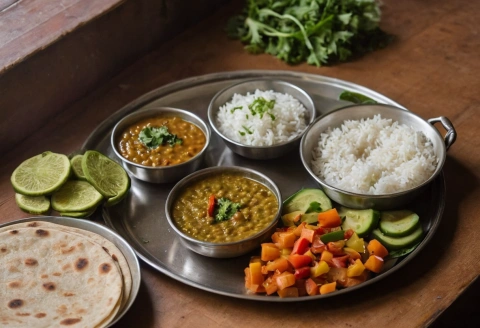
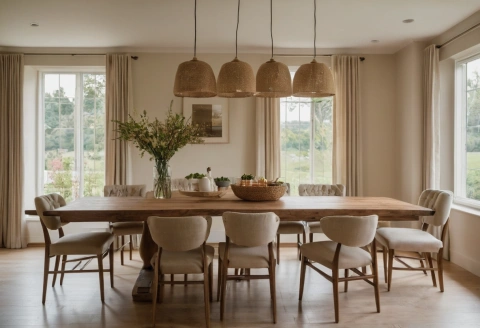
A Table That Works for Weeknight Dal and Diwali Both
The same dining space can hold a quiet Tuesday dinner and a crowded festival lunch. A few careful choices about furniture, textiles, and storage make the switch easy.
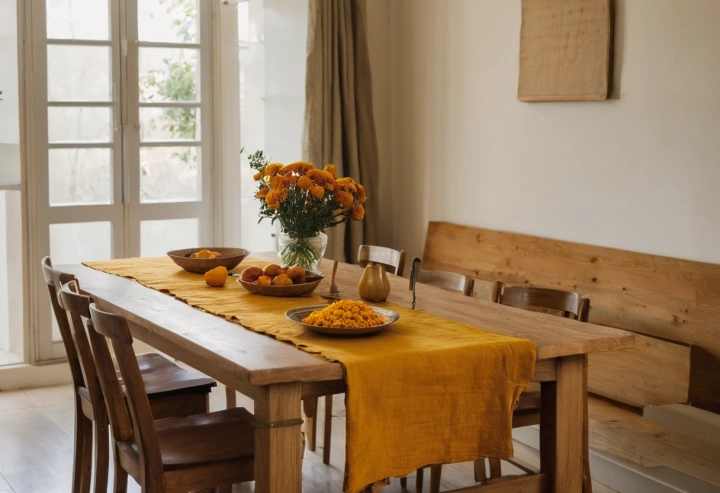
Most homes need one dining setup that handles both a quick weeknight plate of dal and rice and a weekend spread with relatives filling every chair. The table has to stretch or shrink, the seating has to flex, the cloth has to survive haldi stains, and the good brass bowls have to live somewhere between festivals without tarnishing into neglect. Here is how to build a family table that shifts between ordinary and celebratory without a production each time.
Choosing a table that extends without fuss
A fixed table sized for your largest gathering wastes floor space every other day of the year. An extendable table solves this, but only if the extension mechanism is genuinely simple. Butterfly leaves that fold inside the table frame are easiest to manage alone. Drop-leaf designs work well in narrower rooms where you push the table against a wall on quiet evenings. Pull-apart tables with separate leaves need storage nearby, ideally a closet or cabinet within a few steps, because carrying a heavy leaf across the house while balancing children and plates is nobody’s idea of calm.
Test the mechanism before buying. If it takes two adults and a YouTube tutorial, it will not get used. The best extendable tables open with one hand and lock with an audible click. Look for wood or plywood leaves rather than particleboard, which swells at the edges after a few spills and never sits flush again.
For families who regularly seat more than eight or ten guests, consider whether a second smaller table set alongside the main one might serve better than a single enormous extension. Two tables also let you separate courses or keep a kids’ section with simpler food. Our guide to designing a dining room for large family meals covers layout options when the guest list outgrows a single surface.
Floor seating as a real option, not a novelty
Many Indian families eat some meals seated on the floor, especially during festivals or when elders visit. This is not a fallback when chairs run short. It is a preference rooted in comfort and tradition, and the dining space should accommodate it without treating it as an afterthought.
A low wooden chowki or a sturdy coffee-height table works for floor meals. Some families use a clean cloth spread directly on the floor with individual plates, thali-style. If floor seating happens regularly, dedicate a cushion set: firm cotton-filled bolsters or square gaddas that stack in a basket or shelf. Avoid foam cushions covered in synthetic fabric, which trap heat and slide on smooth floors. Cotton covers with a zipper come off for washing after spilled rasam or a child’s sticky fingers.
The shift between chair seating and floor seating goes smoother when the room has clear zones. A rug under the table anchors the chair area. A separate flat mat or durrie rolled out nearby marks the floor zone. Guests read the room instantly and settle without being directed.
Cloths and mats chosen for the washing machine
Indian cooking stains fabric. Turmeric turns white cotton yellow in one touch. Oil splatters from a tadka leave translucent spots that resist casual wiping. A tablecloth that requires dry cleaning or hand-washing will sit in a cupboard unused.
Choose machine-washable fabrics in mid-range colors and patterns that camouflage small marks between washes. Dark indigo prints, block-printed cottons in rust or olive, and woven placemats in jute or thick cotton all hide daily wear gracefully. Pre-treat turmeric stains with a paste of baking soda and water before tossing the cloth in a warm cycle. Sunlight bleaches turmeric naturally, so line-drying outdoors helps even if the stain did not fully lift in the machine.
For everyday meals, individual placemats or a narrow table runner protect the surface without the laundry burden of a full cloth. Save the full-length embroidered or block-printed tablecloth for occasions when the extra effort feels worthwhile. Wipeable mats made from woven vinyl or coated cotton work well under children’s plates and rinse clean in the sink.
A short list of textile habits that save time:
- Keep a stack of plain cotton napkins in a drawer near the table, separate from the decorative napkin set reserved for guests.
- Rotate two or three everyday tablecloths so one is always clean and ready.
- Fold festive cloths with acid-free tissue paper between layers to prevent crease marks and color transfer during storage.
Lighting that flatters food and faces
Overhead fluorescent tubes flatten everything on the table into a cafeteria glare. Warm-toned bulbs in a pendant or cluster fixture above the table make food look appetizing and faces look relaxed. Dimmable fixtures let you brighten the surface for homework hour and soften it for a late dinner.
During festivals, supplementary light matters. A few brass diyas or small candles along the table center add warmth without competing with the overhead source. Place them on a tray or a long brass plate so wax or oil drips stay contained. LED string lights draped along a shelf or window frame nearby add ambient glow without fire risk around children.
If the dining area shares space with the kitchen, keep cooking light from bleeding onto the table. Under-cabinet task lighting in the kitchen and a separate pendant over the dining surface keep the zones visually distinct. For more on managing kitchen air and light together, see our piece on ventilation for cooking with spices and high heat.
Storing festive serving ware so it stays ready
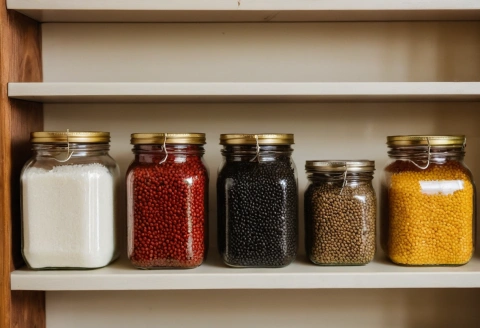
Brass thalis, copper handis, silver-plated bowls, and painted ceramic platters come out a handful of times each year. The rest of the time they need storage that prevents tarnish, chips, and dust.
Wrap each piece individually in soft unbleached cotton or muslin. Newspaper transfers ink and acidic paper yellows metal over time. Slip a small anti-tarnish strip into each wrapped bundle for silver and brass. Store wrapped pieces upright in a closed cabinet, not stacked loosely where edges knock together. Heavy brass pieces go on lower shelves to avoid dangerous reaching.
Label the outside of each box or shelf section by occasion: Diwali ware, wedding gifts, everyday steel. This sounds obvious but saves the frantic rummaging that happens when guests arrive in an hour and the good bowls are buried behind the slow cooker.
If storage space is tight, a lidded trunk under a sideboard or bench doubles as seating and keeps festive pieces accessible without dedicating an entire cabinet. Line the trunk with a cotton sheet and check pieces once between seasons for early tarnish spots, which wipe away easily with a lemon-and-salt rub before they deepen.
Start with one change this week
Pick the single friction point that bothers you most right now. Maybe the table never gets extended because the leaves live in the garage. Maybe the festive brass is tarnished because nobody wrapped it properly last year. Fix that one thing. Move the leaves to a hall closet. Rewrap the bowls in cotton today. The rest of the setup improves gradually once the biggest annoyance is gone. A family table does not need to be redesigned all at once. It needs to work tonight, and work a little better next month.
Filed in Family Table. Read the editorial policy or send a correction.