Whole and Ground Spices: How Long They Keep and When to Grind
Whole seeds hold their aroma for a year or more; ground spices fade within months. Here is how to store both, toast and grind only what you need, and tell by smell when a jar has gone flat.
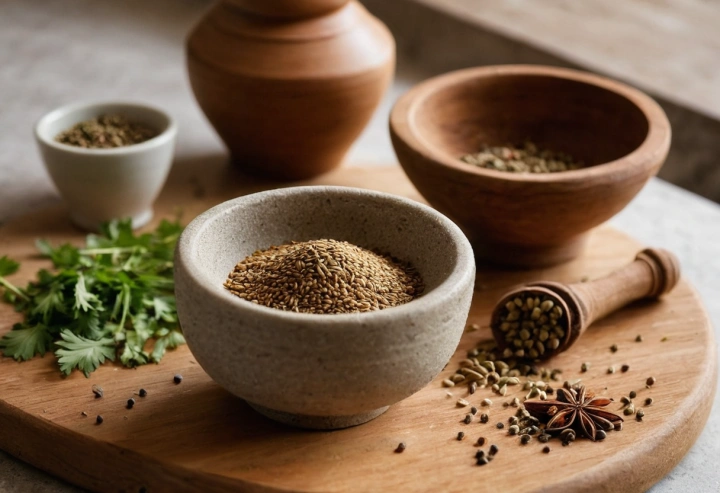
Ground coriander loses its lift within a few months of grinding, while the whole seed keeps its perfume for a year or more in a closed jar. That gap explains most flat-tasting dal and most jars nobody wants to throw away. This guide covers how long whole and ground spices really keep, when to toast and grind at home, whether to reach for a mortar or a small grinder, how buying small amounts saves flavor and money alike, and the quick smell test that tells you whether a jar still earns a place in your cooking.
How long whole and ground spices keep
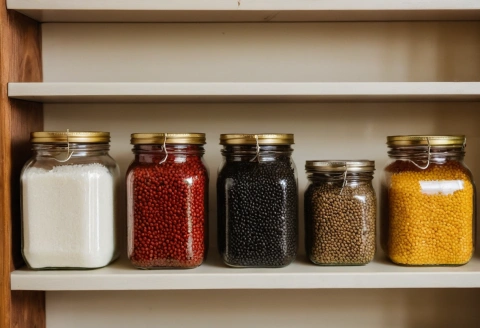
A spice’s flavor lives in volatile oils, and those oils evaporate and oxidize once air, light, heat and moisture reach them. Grinding breaks the seed open and exposes far more surface, which is why ground spices fade so much faster. Whole cumin, coriander, mustard and fennel hold their character for a good year, often longer, if they sit in airtight jars away from the stove. Ground turmeric, chili, cumin and coriander are at their best for a few months after grinding, then decline steadily; by the time a ground jar has sat for a year, it mostly tastes of dust and faint color.
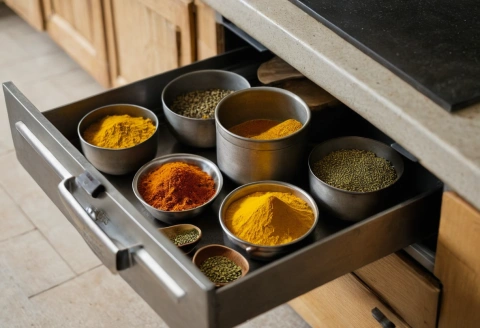
Whole hard spices last longest: cinnamon sticks, cloves, black peppercorns and cardamom pods stay lively well past a year when sealed and kept cool. Leaves behave differently. Dried curry leaves, mint and fenugreek leaves lose their green edge quickly, so treat them like ground spices and replace them sooner. Storage matters as much as form. A tin near the burner cooks slowly every time the stove runs, and a clear jar on a sunny shelf bleaches in weeks. Keep spices in a closed cupboard or a drawer, in glass or metal with tight lids, and scoop with a dry spoon so steam and wet fingers never get inside. Our guide to organising a spice drawer or a masala dabba covers labels and layout so older jars get used before they fade.
Toasting whole spices at home
Toasting wakes the oils in whole seeds and adds a round, nutty depth that raw seeds lack. Heat a heavy pan over medium heat, add the whole seeds dry, with no oil, and shake the pan so they move. Cumin and coriander take a couple of minutes; watch for the first wisp of fragrance and a shade of darkening, not smoke. Mustard seeds pop; fennel and fenugreek turn fragrant fast and burn faster, so keep them moving. Tip the seeds onto a plate the moment they smell right, because a hot pan keeps cooking them even off the flame.
Cool the seeds completely before grinding. Warm seeds grind into a gummy paste and trap steam in the jar, shortening the life of everything you just made. Never toast a ground spice dry in a pan; powder scorches in seconds. Ground spices go straight into hot fat or oil instead, where a brief bloom releases their flavor safely. If you cook a tadka, you already know this rhythm: whole seeds crackle in hot fat first, ground spices follow briefly, and the dal or vegetables go in before anything burns.
A mortar or a small grinder
Both tools earn their space, and they do different jobs. A heavy stone mortar and pestle gives you control over texture, from cracked pepper to a coarse coriander crush that stays bright in a chutney or a rub. It suits small amounts, the tablespoon or two you need for one dinner, and it cleans with a wipe and a rinse, no lingering odor between spices. The work takes real effort: a fine powder needs patience and a rocking, circling motion rather than pounding, which sends seeds flying.
A small electric blade grinder, the kind sold for coffee, turns toasted seeds into a fine, even powder in seconds and handles bigger batches when you want a jar of garam masala to last a month. Dedicate one to spices alone; coffee oils and chili do not mix well. Pulse rather than run it long, since the blades heat the powder and dull it. Grind in short bursts, let it settle, and brush it out dry between spices, or grind a pinch of plain rice to clean the blades before a delicate batch. For most home kitchens the pair works best: mortar for tonight’s small crush, grinder for a fresh batch of a blend you use often.
Buy small, grind fresh
The cheapest way to keep flavor high is to buy less, more often. Whole spices from a shop with good turnover arrive fresher than a giant bag that sits in your cupboard for years. Buy whole cumin, coriander, mustard, fennel and pepper in modest amounts you will finish within a year, and buy ground spices in the smallest jar you can find, or skip them and grind your own. A little planning helps: if a big pot of dal and a vegetable dish anchor most of your week, you can predict which seeds you will reach for and buy those whole, keeping only turmeric and chili as ready powders. Our notes on planning a home menu for the week make that shopping list easy to sketch.
A few habits keep the small-batch approach working:
- Write the month of purchase on each jar with a piece of tape, so age is never a guess.
- Grind only what a week or two of cooking needs, and keep the rest whole.
- Store backups sealed and cool, and refill your everyday tin from them rather than opening everything at once.
- Replace ground spices that fail the smell test instead of doubling the dose to compensate.
Smell before you use
Your nose is the most reliable tool in the spice cupboard. Crush a pinch of the spice between your fingers, or rub a little ground powder on your palm, and breathe in. A live spice smells distinct and immediate: cumin warm and earthy, coriander citrusy and floral, cardamom cool and sweet. A tired one smells faint, dusty, or of nothing but the jar. Color helps too; faded chili and pale turmeric have usually lost their punch along with their brightness.
When a jar is borderline, blooming it in hot fat pulls out whatever remains, and you can lean on fresher spices around it. When it smells of nothing, no amount of toasting or extra spoonfuls will bring it back, and doubling old ground spice only adds bitterness and mud. Tip it out, note it on the shopping list, and start again with whole seed. Cooking with dull spices is the quiet reason a familiar dish stops tasting like itself.
Your next step at the stove
Pick the three whole spices you use most, likely cumin, coriander and mustard, and buy fresh small amounts this week. Toast a spoonful of cumin and coriander together in a dry pan, cool them on a plate, and grind them coarse in a mortar. Stir that into your next dal or bloomed vegetables and taste the difference against your old ground jar. Then set a simple rhythm: whole spices in sealed jars, ground in small fresh batches, a date on every lid, and a smell before every use. The rest of your pantry, from lentils and rice to flour, keeps just as well when you treat freshness as a habit rather than a hope.
Filed in Spice Pantry. Read the editorial policy or send a correction.