Weekday Dal as a Method You Can Repeat
One pot of lentils, one small pan of hot fat and spices, and a few decisions at the end. The same sequence works on a tired Tuesday and doubles easily when the table fills.
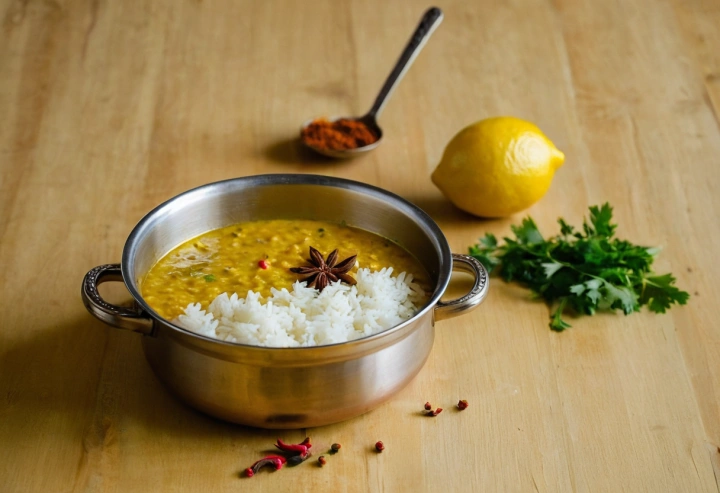
Dal rewards a repeatable sequence more than a recipe card. Rinse the lentils, cook them soft, bloom spices in hot fat, then adjust the thickness, salt and sourness at the end. What follows is that sequence in enough detail to run on a weeknight without measuring anything, plus what to serve beside it and how to handle the pot still half full at bedtime.
Rinsing and choosing the lentil
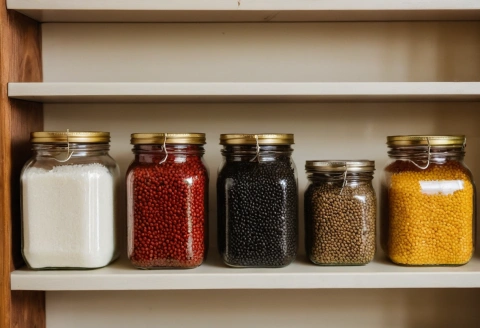
Split and husked lentils are the weeknight ones. Moong dal, the small yellow split mung bean, softens fastest and turns sweet and mild. Toor dal, split pigeon peas, takes longer and gives the fuller, slightly earthy flavor many households mean when they say dal. Masoor, split red lentils, collapses into a loose porridge and forgives a late dinner. Chana dal holds its shape and needs a soak, so save it for a slower day. Whole lentils and beans belong to another kind of cooking, the long simmer with a heavier spice base, and they do not fit into a half hour.
Put the lentils in a bowl, cover with cool water, and swirl with your fingers. The water clouds from surface starch and any dust from packaging. Tip it off and repeat until the water runs almost clear rather than perfectly clear. Pick out small stones and shriveled bits as you go. A strainer under the tap works, though a bowl lets you see what you pour away.
Soaking is optional for the split yellow lentils. Even a short soak while you chop an onion shortens the simmer and helps the grains break down evenly. Drain the soaking water and cook in fresh.
Cooking the lentils soft
Cover the rinsed lentils with plenty of water, several fingers deep above them, because they drink more than you expect. Bring to a boil, then drop to a bare simmer with the lid set slightly ajar. Foam rises early; skim it with a spoon and the pot stops threatening to boil over. A thin film of ghee or oil on the surface helps too.
Salt now, not later. Salt added at the start seasons the lentils from within, and the old worry about it toughening them does not apply to split pulses. A crushed piece of ginger, a slit green chili, or a pinch of turmeric can go in at this stage. Keep the acidic things out: tomato, lemon, tamarind and raw mango all slow the softening, so they wait until the lentils are tender.
Time depends on the lentil and its age, so cook by feel. Press a grain against the side of the pot with the back of a spoon. It should smear without a hard center. Older lentils take noticeably longer than a fresh bag, which is why timing by the clock alone disappoints.
For a smooth dal, whisk briefly or use a wooden churner in the pot. For a dal with texture, stir only enough to break some of the grains and leave the rest whole. Both are correct. Households differ, and neither version needs permission.
The tempering, where the flavor is made
Tempering goes by many names, tadka, chaunk, phodni, oggarane, and the logic is the same everywhere: hot fat carries flavor that water cannot. Use a small heavy pan, ideally with a lid nearby.
Heat ghee or a neutral oil until it shimmers and a single cumin seed dropped in sizzles and rises at once. If the seed sinks and sits, the fat is too cool and the spices will taste raw. If the fat smokes, pull it off the burner and let it settle before anything goes in.
The order matters:
- Whole seeds first, cumin and mustard, and let the mustard pop before adding more.
- Then anything that needs time to color, such as a dried red chili, a few curry leaves, or thinly sliced garlic.
- Then asafoetida, a small pinch, which blooms in a breath.
- Ground spices last and briefly, turmeric and chili powder stirred once or twice so they bloom without scorching.
- Off the heat, pour the whole thing into the cooked dal and cover the pot for a minute to hold the aroma in.
Stand back when the fat meets the wet dal, because it spits and steams. This is where your kitchen earns its ventilation. Turn the hood on before you start the tempering, not after the smoke arrives, and crack a window if the fan recirculates rather than venting outside. Our notes on ventilation for cooking with spices and high heat cover why that order matters.
A second, smaller tempering poured over each bowl just before serving is a good habit. The first seasons the pot; the second smells like dinner.
Thickness, salt and sourness
Adjust in that order. Thickness first, because it changes how salt and acid read.
Too thick, add hot water a splash at a time and stir, then let it come back to a simmer so the flavors settle together. Cold water dulls the pot. Too thin, simmer uncovered and stir more often, or mash a ladleful of the lentils against the side and stir them back in. Aim for something that coats a spoon but still pours, thinner if rice is the main event, thicker if bread is.
Salt in small additions, tasting after each. Lentils absorb a surprising amount, and a dal that tastes flat is usually underseasoned rather than underspiced.
Sourness goes in off the heat. Lemon juice squeezed in at the table stays bright; the same juice boiled into the pot turns muted and slightly bitter. Tamarind water or a little dried mango powder can go in earlier and simmer briefly. Taste, then decide. Some dals want no acid at all, especially ones with tomato already cooked in.
If it tastes harsh, a small knob of ghee stirred in at the end rounds it off. If it tastes dusty, the ground spices probably scorched in the tempering, and a squeeze of lemon plus extra fat will hide most of it.
What to serve with it
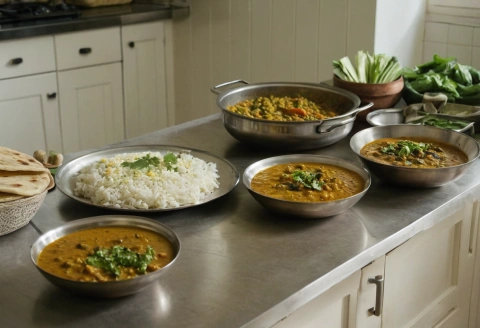
Plain rice and dal is a complete meal, and a weeknight method can be that simple. Spoon the dal into a well in the rice, add a spoon of ghee, and eat it with your hands if you like. A sharp onion salad, plain yogurt, and a pickle turn the same pot into something that feels arranged.
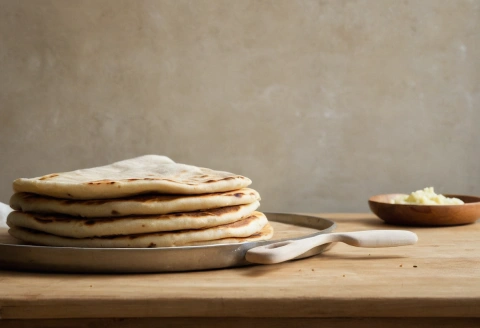
Bread makes it a different dinner. Roti or paratha alongside a thicker dal is a good use of a dough you mixed while the lentils simmered, and flatbreads at home walks through resting, rolling and cooking on a flat pan. A dry vegetable sabzi, cooked in a second pan while the dal finishes, adds contrast without much extra work.
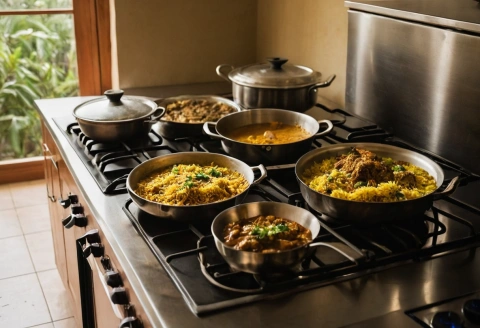
When more people are coming, dal is the easiest thing on the table to scale. Add lentils and water, keep the tempering proportionate, and finish in a wider pot so it reduces at the same rate. That is the backbone of cooking for a family crowd, and it fits a week of meals planned around one big pot rather than several small ones.
Leftovers and the next pot
Dal thickens as it cools and keeps thickening overnight, so plan for that. Get it out of the hot pot and into shallow containers within a couple of hours, lid ajar until it stops steaming, then closed and into the refrigerator. Shallow containers cool fast; a deep stockpot of dal in the fridge stays warm in the middle for a long time.
It keeps well for a few days and freezes cleanly. Reheat with a splash of hot water, stirring, and taste again at the end because cold storage flattens salt and acid. A fresh tempering, just cumin and garlic in a spoon of ghee, wakes up yesterday’s dal better than more chili powder will. Freeze it plain, before the lemon, and add the brightness when you reheat.
Tonight, rinse a bowl of whichever split lentil is in your pantry and cook it while you get the rest of dinner going. Heat the fat in a small pan, watch the first cumin seed rise, and pour it over. Do that twice and you will stop needing this page.
Filed in Cooking at Home. Read the editorial policy or send a correction.